If you’ve ever wondered what gives your swimming pool that smooth, watertight finish, the answer is pool plaster. This essential layer is more than just aesthetics—it’s the protective barrier that keeps your pool functioning properly and looking beautiful for years to come. As a pool owner, understanding pool plaster can help you make informed decisions about maintenance, repairs, and eventual resurfacing.
Whether you’re building a new pool or considering a replaster project, knowing the ins and outs of this critical component will save you time, money, and headaches down the road.
Key Takeaways
- 🏊 Pool plaster is a cement-based coating that waterproofs your pool shell and provides a smooth, swimmable surface
- 💰 Different plaster types range from economical white plaster to premium pebble and glass finishes, each with distinct durability and cost profiles
- ⏰ Proper water chemistry and maintenance dramatically extend plaster lifespan, with quality finishes lasting 10-20+ years
- 🎨 Your plaster choice affects water color, surface texture, and long-term maintenance requirements
- 🔧 Recognizing signs of plaster deterioration helps you plan for timely pool resurfacing before major damage occurs
What Pool Plaster Actually Is
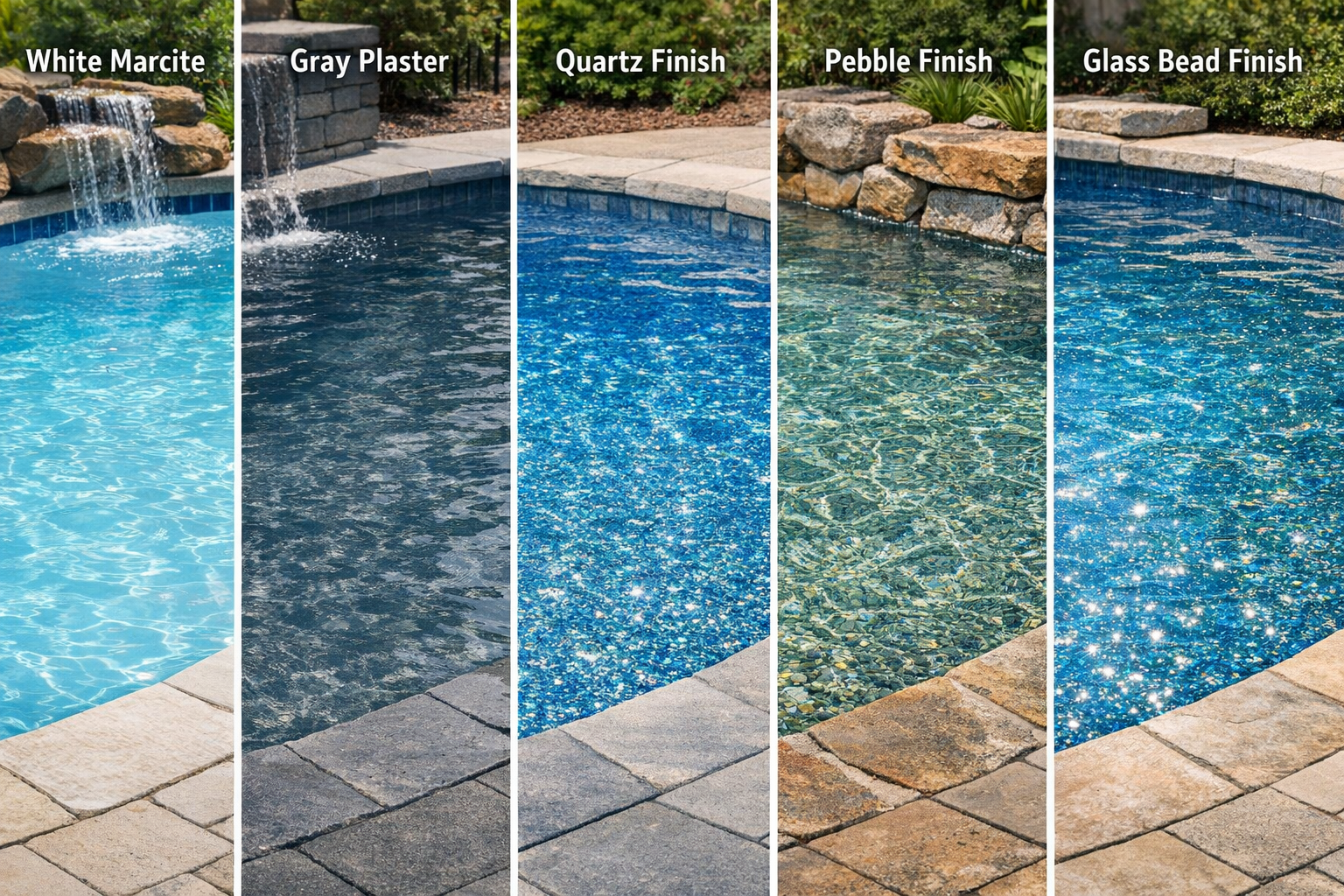
Pool plaster is a specialized cement-based coating applied to the interior surface of concrete and gunite swimming pools. At its core, it’s typically a mixture of white Portland cement, fine aggregates (such as sand or marble dust), water, and sometimes chemical additives that enhance strength and durability [1].
This material creates a dense, water-resistant surface that serves two critical functions: it seals the porous concrete shell underneath, preventing water from seeping through to the structural elements and soil beyond, and it provides a smooth, comfortable finish for swimmers’ hands and feet.
The Science Behind the Surface
When properly mixed and applied by experienced professionals, pool plaster forms a chemical bond with the underlying concrete shell. The curing process is crucial—the plaster needs adequate time and moisture to achieve maximum strength and water resistance. This is why newly plastered pools require specific startup procedures and careful water chemistry management during the first month [2].
The thickness of a typical plaster application ranges from 3/8 to 5/8 of an inch, though this can vary based on the specific product and application method. This seemingly thin layer is remarkably durable when maintained properly, but it’s also vulnerable to chemical imbalances in your pool water.
“Pool plaster is the unsung hero of your swimming pool—it’s what stands between enjoyable swimming and costly structural repairs.”
Understanding what pool plaster is made of helps explain why water chemistry matters so much. Plaster is alkaline by nature, and aggressive water conditions (low pH, low alkalinity, or low calcium hardness) can literally dissolve the cement binder, leading to etching, roughness, and premature failure.
Main Types of Pool Plaster Finishes
Not all pool plaster is created equal. Over the decades, the industry has developed several distinct categories of plaster finishes, each with unique characteristics, benefits, and price points. Let me walk you through the main options you’ll encounter when selecting or replacing your pool surface.
White Plaster (Marcite/Whitecoat)
This is the traditional, time-tested pool finish that’s been used for generations. White plaster, often called marcite or whitecoat, consists of white Portland cement mixed with white marble dust or sand. It creates that classic bright, sky-blue water appearance that many people associate with swimming pools [3].
Advantages:
- ✅ Most economical option
- ✅ Very smooth surface when new
- ✅ Creates bright, inviting water color
- ✅ Well-understood by most pool professionals
Disadvantages:
- ❌ More prone to staining from minerals and organic matter
- ❌ Susceptible to etching from poor water chemistry
- ❌ Typically shorter lifespan (5-10 years with average maintenance)
- ❌ Shows wear patterns more readily than upgraded finishes
For homeowners on a budget or those who plan to update their pool relatively frequently, white plaster remains a solid choice. Just be prepared for more vigilant pool maintenance to keep it looking its best.
Colored Plaster
Colored plaster takes the basic white plaster formula and adds pigments to create different hues—typically grays, blues, blacks, or earth tones. This allows you to customize your pool’s water color, creating anything from tropical lagoon blues to sophisticated charcoal grays [4].
The important thing to understand about colored plaster is that color mottling is normal and expected. Over time, you may notice lighter “haze” areas or subtle variations in tone. This is a natural characteristic of colored plaster, not a defect, though it’s more visible on darker colors.
Best for: Homeowners who want a custom look without jumping to premium finishes, and who understand that some color variation is part of the aesthetic.
Quartz Finishes
Quartz pool plaster represents a significant step up in durability and longevity. These finishes incorporate tiny quartz aggregate chips—one of the hardest minerals on earth—into the plaster mix. The result is a speckled, textured appearance with substantially better chemical resistance than plain plaster [5].
Key benefits:
- 💎 Superior resistance to etching and staining
- 💎 Longer lifespan (10-15+ years typically)
- 💎 Available in numerous color combinations
- 💎 Smooth to lightly textured feel
- 💎 Attractive sparkle effect in sunlight
Quartz finishes cost more upfront than standard plaster, but the extended lifespan and reduced maintenance often make them cost-effective over the long term. They’re an excellent middle-ground option for homeowners who want enhanced durability without the premium price of pebble finishes.
Pebble Finishes
Pebble finishes have become increasingly popular for their natural appearance and exceptional durability. These surfaces incorporate small, rounded pebbles (often river stones) into the plaster matrix, creating a textured, natural-looking finish that resembles a mountain stream or tropical lagoon.
Why homeowners love pebble finishes:
- 🌊 Extremely durable and stain-resistant
- 🌊 Natural, organic aesthetic
- 🌊 Hides dirt and minor imperfections well
- 🌊 Can last 15-20+ years with proper care
- 🌊 Available in numerous color blends
Considerations:
- The textured surface is rougher on feet than smooth plaster
- Higher initial cost than other options
- Requires specific installation expertise
For those seeking a premium, long-lasting finish with a resort-like appearance, pebble finishes are hard to beat. The investment typically pays off through extended lifespan and reduced replastering frequency.
Specialty Aggregates (Glass Beads and Polished Finishes)
At the high end of the market, you’ll find specialty finishes incorporating glass beads, polished aggregates, or exotic minerals. These create stunning visual effects—brilliant sparkle, vivid colors, and ultra-smooth surfaces that rival the feel of traditional plaster while offering superior chemical resistance.
Glass bead finishes are particularly interesting because the glass is non-porous and highly resistant to algae, staining, and chemical attack. They’re also remarkably smooth, often smoother than standard white plaster.
These premium options command the highest prices but deliver exceptional aesthetics and performance for discerning homeowners who want the very best.
Common Pool Plaster Options: Comparison Table
To help you understand your choices at a glance, here’s a comprehensive comparison of the main plaster types:
| Finish Type | Cost Level | Texture/Feel | Look in Water | Durability/Lifespan* |
|---|---|---|---|---|
| White Plaster | Low ($$$) | Very smooth | Bright light blue | Shortest lifespan; more prone to wear (5-10 years) |
| Colored Plaster | Low–Mid ($$-$$$) | Smooth | Blue/gray/dark, more custom | Similar to white; color mottles over time (5-10 years) |
| Quartz | Mid ($$$-$$$$) | Smooth to lightly textured | Sparkled, speckled tones | Higher durability; better chemical resistance (10-15+ years) |
| Pebble | Mid–High ($$$$-$$$$$) | Noticeably textured | Natural, lagoon-like | Very high; very stain-resistant (15-20+ years) |
| Glass/Polished | High ($$$$$) | Smooth to very smooth | High sparkle, vivid colors | High durability; excellent chemical resistance (15-20+ years) |
*Actual lifespan depends heavily on water chemistry maintenance and local conditions.
Why Pool Plaster Matters So Much
You might be wondering why pool plaster deserves so much attention. After all, isn’t it just the coating on your pool? The truth is, pool plaster plays several critical roles that directly impact your pool ownership experience.
Waterproofing and Structural Protection
The primary function of plaster is to create a watertight barrier. Concrete and gunite are porous materials—without plaster, water would gradually seep through the shell, potentially reaching the steel reinforcement (rebar) and causing rust, or saturating the surrounding soil and creating stability issues [6].
Quality plaster, properly applied and maintained, prevents these problems by sealing the concrete completely. This is why maintaining proper water chemistry is so important—aggressive water conditions can compromise this waterproofing layer.
Swimmer Comfort and Safety
Imagine swimming in an unplastered concrete pool—the rough surface would be uncomfortable and potentially hazardous. Plaster provides a smooth (or pleasantly textured, in the case of pebble finishes) surface that’s gentle on skin and safe for all swimmers.
The texture also affects how the pool feels underfoot and how easily you can brush and clean the surface. This is why choosing the right finish type matters—families with young children might prefer smoother finishes, while others appreciate the natural feel of textured pebble surfaces.
Aesthetic Appeal
Let’s be honest: how your pool looks matters. The plaster finish determines the water color, the visual texture, and the overall aesthetic of your backyard oasis. A bright white plaster creates that classic, inviting sky-blue water, while darker finishes produce deeper, more dramatic colors.
The finish you choose sets the tone for your entire outdoor space. This is why it’s worth considering your landscaping, deck materials, and personal style preferences when selecting a plaster type.
Long-Term Value
A quality plaster finish, properly maintained, protects your investment and can last for many years. Conversely, neglected or poorly applied plaster can lead to costly repairs, premature resurfacing, and even structural issues.
Professional pool service in Corona, CA can help ensure your plaster stays in optimal condition through proper chemical balancing and regular maintenance.
When to Replaster Your Pool
Knowing when to replaster is crucial for maintaining your pool’s integrity and appearance. Here are the telltale signs that it’s time to consider resurfacing your pool:
Visible Surface Deterioration
Roughness: If the plaster feels rough or abrasive to the touch, especially in high-traffic areas like steps and benches, the surface has likely worn down or etched significantly.
Pitting: Small holes or depressions in the plaster surface indicate deterioration that won’t improve with cleaning or minor repairs.
Staining: While some staining can be cleaned or treated, deep, persistent stains that resist all cleaning efforts may indicate it’s time for a fresh surface.
Structural Concerns
Delamination: If you notice areas where the plaster is separating from the underlying concrete, this requires immediate attention. Delamination can lead to larger failures and should be addressed promptly.
Exposed aggregate or concrete: When the plaster has worn so thin that you can see the underlying concrete or aggregate, the waterproofing layer is compromised.
Cracks: While minor surface cracks (crazing) are cosmetic, larger structural cracks may indicate plaster failure or underlying shell issues.
Persistent Water Chemistry Problems
If you find yourself constantly fighting to maintain proper water chemistry, or if your pool consumes excessive amounts of chemicals, deteriorating plaster could be the culprit. Damaged plaster can leach calcium and other minerals into the water, making balance difficult [7].
Age and Maintenance History
Even with excellent care, plaster doesn’t last forever. If your white plaster is approaching 10 years old, or your quartz/pebble finish is nearing 15-20 years, it’s wise to start planning for eventual resurfacing—even if you haven’t noticed major problems yet.
Well-maintained premium finishes can exceed these timelines, but proactive planning prevents emergency situations and allows you to budget appropriately.
The Replastering Process
When you decide it’s time to replaster, understanding the process helps you work effectively with contractors and set realistic expectations:
- Drain the pool completely
- Remove old plaster (chip out or hydro-blast)
- Inspect and repair the underlying concrete shell
- Prepare the surface for optimal bonding
- Apply new plaster (typically completed in one day)
- Fill and start up with careful attention to chemistry
- Brush and maintain during the critical first 28 days
Working with experienced professionals who specialize in new pool plaster in Corona ensures the job is done right, with proper surface preparation and application techniques that maximize the lifespan of your new finish.
Maintaining Your Pool Plaster for Maximum Lifespan
The single most important factor in plaster longevity is proper water chemistry. I can’t stress this enough—aggressive or unbalanced water will damage even the highest-quality plaster finish.
Critical Chemistry Parameters
pH (7.4-7.6): Low pH is highly acidic and will etch plaster, while high pH can cause scaling and cloudy water.
Total Alkalinity (80-120 ppm): This helps buffer pH changes and prevents rapid fluctuations that can stress the plaster.
Calcium Hardness (200-400 ppm): Too low, and the water will leach calcium from your plaster (etching); too high, and you’ll get scale deposits.
Chlorine/Sanitizer: Maintain proper levels without allowing excessive concentrations that can bleach colored plasters.
Regular testing and adjustment of these parameters protects your investment. Many homeowners find that professional pool maintenance services take the guesswork out of chemistry management.
Physical Maintenance
Brushing: Regular brushing (at least weekly) prevents dirt buildup, discourages algae, and helps maintain the surface. Use a brush appropriate for your finish type—nylon for standard plaster, stainless steel for pebble finishes.
Proper cleaning: Avoid aggressive cleaning methods or harsh chemicals that can damage plaster. When dealing with stains, identify the cause first and use targeted treatments.
Equipment maintenance: Keep your filtration system, pump, and cleaning equipment in good working order. Energy-efficient pool pumps not only save money but ensure proper circulation that prevents localized chemistry problems.
Startup Procedures for New Plaster
If you’ve just had your pool replastered, the first 28 days are critical. New plaster is still curing and requires special care:
- Brush the entire pool surface daily for the first week, then every other day
- Maintain slightly lower pH (7.2-7.4) to help cure the plaster
- Avoid adding calcium chloride or using automatic pool cleaners initially
- Follow your plaster contractor’s specific startup instructions
Proper startup procedures can add years to your plaster’s lifespan, so don’t skip these important steps.
Choosing the Right Pool Plaster for Your Needs
With so many options available, how do you choose the right plaster for your pool? Here’s my framework for making this important decision:
Consider Your Budget (Both Initial and Long-Term)
While white plaster has the lowest upfront cost, factor in the shorter lifespan and potential for more frequent maintenance or earlier replacement. A quartz or pebble finish costs more initially but may actually be more economical over 20 years when you consider longevity.
Calculate the cost per year of ownership, not just the installation price.
Think About Your Aesthetic Preferences
What look are you trying to achieve? Do you want:
- Classic bright blue water? → White or light-colored plaster
- Tropical lagoon appearance? → Pebble finish in natural tones
- Modern, sophisticated look? → Dark gray or black plaster
- Maximum sparkle and shimmer? → Quartz or glass bead finish
Visit pools with different finishes if possible, or ask your contractor for photos of completed projects in various lighting conditions.
Assess Your Maintenance Commitment
Be honest about how much time and attention you’ll dedicate to pool care. If you’re meticulous about water chemistry and regular maintenance, even white plaster can last well. If you prefer a more forgiving surface that hides imperfections, pebble or quartz finishes are better choices.
Consider whether you’ll handle maintenance yourself or hire professional pool service.
Factor in Your Climate and Water Source
Hard water areas may benefit from finishes more resistant to calcium scaling. Regions with high UV exposure might see faster fading of colored plasters. Your local water chemistry affects which finish will perform best.
Consult with local pool professionals who understand your area’s specific challenges and can recommend finishes that perform well in your climate.
Texture Preferences
Handle samples of different finishes if possible. Some people love the natural feel of pebble surfaces, while others prefer the glass-smooth sensation of traditional plaster. There’s no right answer—just personal preference.
If you have young children or elderly family members, consider whether a textured surface might be too rough for sensitive skin.
The Future of Pool Plaster Technology
The pool industry continues to innovate, developing new materials and techniques that improve durability, aesthetics, and ease of maintenance. Here are some trends I’m watching:
Hybrid finishes: Combinations of different aggregates (quartz with glass beads, for example) that offer the best characteristics of multiple finish types.
Improved binders: New cement formulations and polymer additives that enhance strength, flexibility, and chemical resistance.
Eco-friendly options: Finishes that reduce chemical consumption, improve energy efficiency through better heat retention, or incorporate recycled materials.
Advanced color technology: More stable pigments that resist fading and mottling better than traditional colored plasters.
These innovations mean that today’s pool owners have access to finishes that would have been unimaginable just a decade ago. Working with knowledgeable contractors who stay current with industry developments ensures you benefit from these advances.
Conclusion: Making an Informed Decision About Pool Plaster
Understanding pool plaster—what it is, how it works, and why it matters—empowers you to make smart decisions about your pool’s surface. Whether you’re building a new pool, planning a replaster project, or simply maintaining your current finish, this knowledge helps you protect your investment and enjoy beautiful, swimmable water for years to come.
Remember these key points:
- Pool plaster is essential for waterproofing, comfort, and aesthetics
- Different finish types offer distinct advantages in cost, durability, and appearance
- Proper water chemistry is the single most important factor in plaster longevity
- Timely resurfacing prevents minor issues from becoming major problems
- Professional guidance helps you choose the right finish and maintain it properly
Your Next Steps
If you’re considering a new plaster finish or evaluating your current pool surface:
✅ Assess your current plaster condition using the signs discussed in this guide
✅ Test your water chemistry and establish a regular maintenance routine
✅ Research local contractors who specialize in the finish type you’re considering—professional pool plaster services can provide expert guidance
✅ Get multiple quotes and ask detailed questions about materials, warranties, and startup procedures
✅ Plan your budget for both immediate costs and long-term maintenance
✅ Schedule your project during the optimal season for your climate
Your pool is a significant investment in your home and lifestyle. Taking the time to understand pool plaster and make informed decisions ensures you’ll enjoy crystal-clear, inviting water for many seasons to come.
For more information about pool maintenance, equipment, and services, visit the Corona Swimming Pool Service blog for expert tips and guidance.
References
[1] Portland Cement Association. (2024). “Cement-Based Pool Finishes: Composition and Application.” PCA Technical Papers.
[2] National Plasterers Council. (2025). “Technical Manual for Pool Plastering.” NPC Industry Standards, 8th Edition.
[3] Pool & Spa News. (2025). “Traditional White Plaster: Still the Industry Standard.” Industry Analysis Report.
[4] American Society of Concrete Contractors. (2024). “Colored Pool Plaster: Pigment Technology and Performance.” ASCC Technical Journal.
[5] Quartz Manufacturing Association. (2025). “Aggregate Hardness and Pool Finish Durability.” QMA Research Publication.
[6] Concrete Pool & Spa Institute. (2024). “Waterproofing and Structural Integrity in Pool Construction.” CPSI Technical Bulletin 47.
[7] Water Quality Association. (2025). “Pool Water Chemistry and Surface Interaction.” WQA Pool Chemistry Guidelines.